
Understanding the Consequences of Removing Tree Stumps
The environmental impact of stump grinding in urban areas is a subject that often stirs discussion among city planners and environmental enthusiasts. As cities grow, the need to manage trees and their remnants becomes crucial. While stump removal offers aesthetic benefits and prevents hazards, it also prompts questions regarding its ecological implications. This article explores these concerns and sheds light on the balance between urban development and nature.
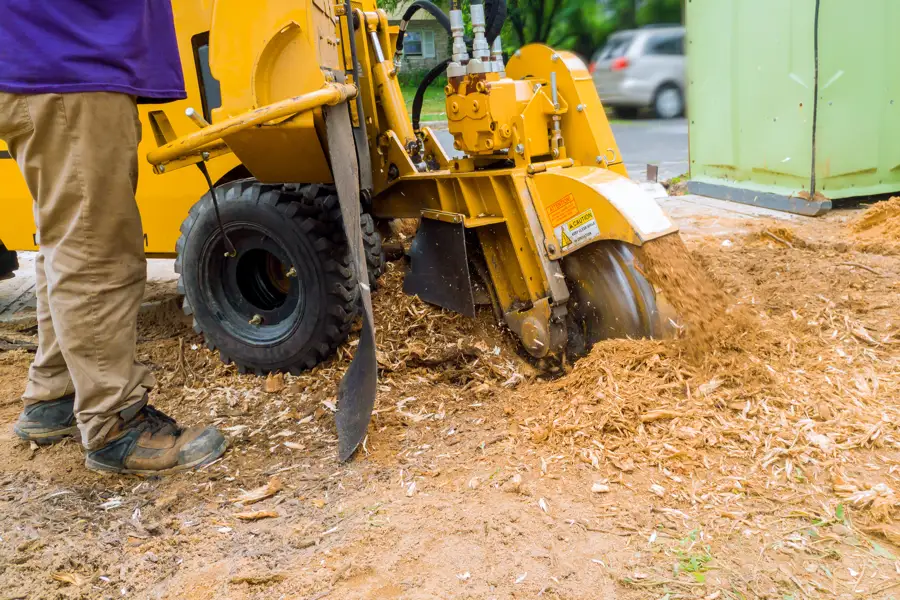
Stump Grinding: a Double-Edged Sword for Urban Ecosystems
Stump grinding is a common practice aimed at removing tree stumps to maintain an aesthetically pleasing landscape in urban settings. Beyond beautification, this process helps prevent potential hazards like tripping or obstacles for lawn maintenance. However, it’s essential to consider the environmental aspects tied to this practice.
- Soil Disruption: The process can disrupt soil structure, affecting plant growth.
- Loss of Biodiversity: Stumps serve as habitats for various organisms, including fungi and insects.
- Carbon Release: Grinding releases stored carbon back into the atmosphere.
Balancing Aesthetics With Environmental Health
Urban planners often face the challenge of maintaining visual appeal while preserving natural ecosystems. While stump grinding eliminates eyesores and facilitates new planting, it requires careful consideration. Alternative methods, like allowing stumps to naturally decompose, could offer less intrusive solutions but may not always be feasible in all urban contexts.
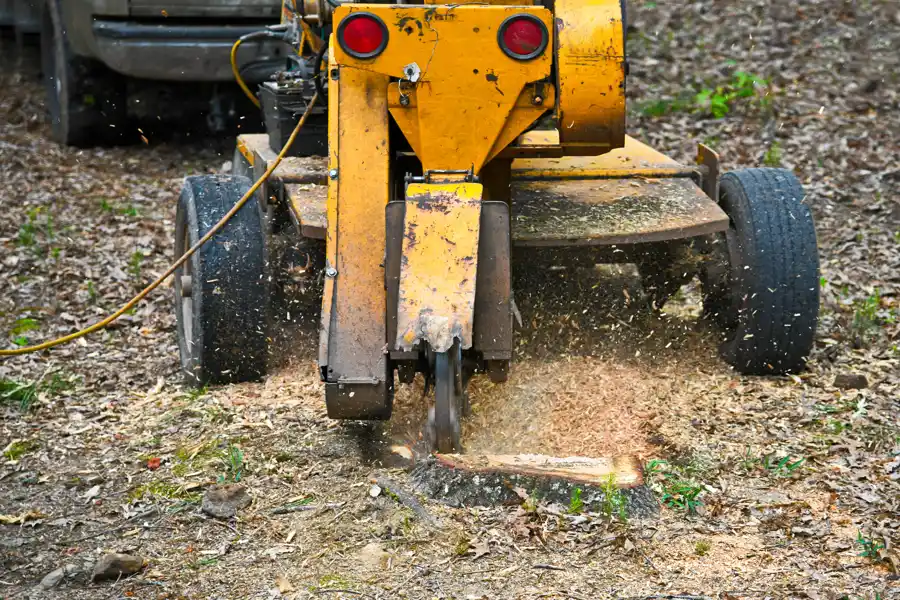
Exploring Sustainable Alternatives to Stump Removal
Sustainability is key when considering alternatives to traditional stump grinding. Techniques such as integrating stumps into landscape designs or using them as natural barriers can minimize environmental disruption. Additionally, practices like selective stump removal prioritize ecological health while still addressing urban needs.
Navigating Urban Challenges With Environmental Responsibility
As urban environments evolve, the approach to managing tree remnants must adapt. By prioritizing sustainable practices and acknowledging the complexities of stump management, cities can foster a harmonious relationship with their natural surroundings without compromising urban development goals.
Championing Responsible Stump Management Strategies
In Glen Head, NY, responsible stump management is vital for balancing urban growth with ecological integrity. At Tree Service Nassau NY Corp, we emphasize sustainable practices tailored to your community’s unique needs. Contact us at (516) 461-4865 to learn more about our environmentally-conscious services.